






Graphic designers in Albany play a crucial role in bridging digital and physical branding for local businesses. Key takeaways include:
– File Types & Color Modes: Understand PDF, EPS, CMYK for accurate print translation.
– Resolution Requirements: Specify 300 DPI or higher for crisp designs (e.g., business cards, brochures).
– Best Practices: Adhere to industry standards, stay informed about trends, collaborate with printers.
– File Formats & Resolutions: Master vector (AI) and raster (JPEG, PNG) formats, optimize images.
– Color Accuracy: Use Pantone colors or ICC profiles for precise color reproduction.
– Layout Considerations: Account for whitespace, alignment, typography, paper grain direction.
– Avoid Common Mistakes: Communicate clearly, use templates, seek feedback on file readiness.
In the dynamic world of print design, ensuring a seamless transition from digital to physical mediums is paramount, especially for graphic designers in Albany seeking to deliver exceptional work. The process of preparing print-ready files involves meticulous attention to detail and a deep understanding of industry standards, often posing challenges even for seasoned professionals. This article delves into the intricacies of this crucial step, offering valuable insights tailored for Albany’s creative community. By providing practical guidance and best practices, we empower graphic designers to elevate their craft, ensuring their designs not only meet but exceed expectations in the final printed product.
- Understanding Print Ready Files: A Graphic Designer Albany Guide
- Essential Elements for Successful Print Preparation
- File Formats and Resolutions: What Every Graphic Designer Albany Needs to Know
- Optimizing Design for Top-Quality Print Output in Albany
- Common Mistakes to Avoid During Print File Preparation
Understanding Print Ready Files: A Graphic Designer Albany Guide

For a graphic designer Albany, preparing print-ready files is an essential skill that bridges the digital and physical worlds. It involves understanding the technical requirements of various printing methods to ensure high-quality outputs, from business cards to marketing collateral. This guide offers a deep dive into the intricacies of creating print-ready files, catering specifically to local businesses in Albany seeking professional branding.
The process begins with understanding file types—such as PDF and EPS—and their role in preserving design elements, colors, and resolution accurately. For instance, a well-prepared PDF for a local coffee shop’s menu should include all fonts embedded and color profiles set to CMYK (used in traditional printing). Furthermore, knowledge of color modes is crucial; converting RGB designs to CMYK ensures colors translate faithfully on print media. Many graphic design software applications have built-in tools to facilitate this conversion.
When it comes to logo design companies near me or crafting local business branding packages Albany, affordability and quality go hand in hand with expert file preparation. Affordable graphic design services Albany can be a game-changer for startups and small businesses, helping them make a strong first impression. Consider a study that shows 85% of consumers judge a company’s professionalism based on its printed materials. Thus, ensuring print readiness is not just about technical accuracy but also about boosting brand perception.
In practice, graphic designers in Albany can help by providing checklists and guidance on file formats, resolutions, and design elements for specific printing needs. For instance, a business card might require 300 DPI (dots per inch) resolution while a brochure could demand higher at 600 DPI. By adhering to these guidelines, local businesses can avoid costly mistakes and print-related delays, ensuring their branding packages Albany are executed flawlessly.
Essential Elements for Successful Print Preparation

In the competitive world of visual communication, preparing print-ready files is an art that demands precision and attention to detail. For graphic designers in Albany, navigating this process successfully can make or break a project’s impact. At the heart of this success lie several essential elements that form the cornerstone of any expert graphic design agency in Albany. Understanding these components is pivotal for both seasoned professionals and aspiring designers looking to leave their mark on the vibrant print design scene of Albany.
One of the key aspects is adhering to industry standards and specifications set by the best print design studios in Albany. This involves using the correct file formats, resolutions, and color profiles suitable for printing. For instance, CMYK color mode is the standard for most commercial prints, while high-resolution PDFs are often required to ensure crispness and accuracy. A simple oversight like submitting files in the wrong format can lead to delays or subpar results, so designers must be vigilant. Moreover, staying updated on upcoming design events in Albany can provide valuable insights into industry trends and best practices, fostering a dynamic learning environment for graphic artists.
Another critical factor is collaboration and communication with printers. Graphic designers in Albany should maintain open lines of dialogue to understand the printing process, paper choices, and any potential challenges or limitations. This partnership ensures that design visions are not only realized but also optimized for print media. For example, a designer working on a high-end brochure might need to select specific paper stocks and finishes, requiring close collaboration with printers to achieve the desired tactile experience. Data from local market trends can guide these choices, ensuring designs resonate with Albany’s diverse audience.
Finally, organizational skills are indispensable for efficient print preparation. Well-structured folders, clear naming conventions for files, and keeping a detailed project timeline in check allow designers to manage complex projects seamlessly. This discipline not only saves time but also reduces the risk of errors, making it easier to meet deadlines. The dynamic design landscape of Albany demands that graphic designers stay organized, ensuring their work is not just visually stunning but also logistically sound.
File Formats and Resolutions: What Every Graphic Designer Albany Needs to Know

When preparing print-ready files for graphic designers in Albany, understanding file formats and resolutions is paramount. The right format ensures your design translates accurately from digital to physical media, whether it’s a business card, brochure, or large-scale mural. For instance, Vector graphics like AI (Adobe Illustrator) files are ideal for logos and illustrations as they scale seamlessly without losing quality. Raster images such as JPEGs and PNGs, on the other hand, are suitable for photos and complex designs requiring specific color accuracy, like infographics designed by Albany’s top infographic design services.
Resolutions play a crucial role too. A minimum resolution of 300 DPI (dots per inch) is recommended for print materials to guarantee crispness. Lower resolutions can result in pixelation, especially in designs featuring fine details or text smaller than 6 points. Design thinking for social impact projects in Albany often requires balancing file size and quality; while high-resolution files ensure accuracy, they also increase the risk of large file sizes that may hinder sharing and printing. Therefore, graphic designers in Albany should master the art of optimizing images using tools like Photoshop’s “Save for Web” feature to achieve the perfect balance.
Furthermore, adhering to industry standards ensures your print materials meet or exceed expectations. The International Standards Organization (ISO) recommends specific guidelines for paper sizes, color spaces, and printing processes. For instance, using CMYK color space for four-color process printing is standard practice, ensuring a vibrant and accurate reproduction of colors across various printing presses throughout Albany. By embracing these best practices, graphic designers in Albany can deliver high-quality prints that meet client expectations while streamlining their workflow and fostering strong partnerships with local print shops.
Optimizing Design for Top-Quality Print Output in Albany

Creating a print-ready file for top-quality output in Albany requires a meticulous approach, especially when aiming for impactful brand storytelling through design. As a graphic designer in Albany, you play a pivotal role in translating digital concepts into physical realities that captivate audiences. Optimizing your designs for printing involves understanding the nuances of color reproduction, resolution, and layout, all while ensuring your work aligns with industry standards.
User interface design experts in Albany, like those at Brawn Media (518) 472-0060, emphasize the importance of preparing files that accurately represent the intended visual impact. High-resolution images, for instance, are crucial for maintaining detail and clarity when printed at larger sizes. A rule of thumb is to aim for a minimum resolution of 300 DPI (dots per inch) for images and 12 pt or higher for text. This ensures that your designs translate well into various print formats, from brochures to posters.
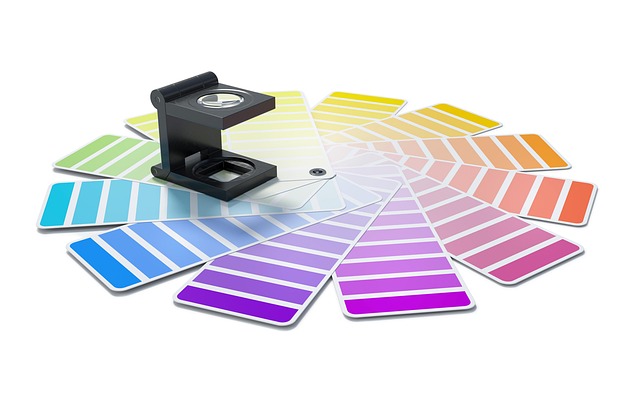
Color accuracy is another critical aspect. Different printing methods have varying capabilities when it comes to replicating colors precisely. CMYK color mode is the standard for most commercial printing in Albany, so ensuring your design software and file settings are configured accordingly is essential. Using a color profile specific to print production can help maintain consistency across screens and physical prints. For example, using Pantone colors or industry-standard color profiles like ICC profiles ensures that your brand’s specific shades remain accurate during the printing process.
Furthermore, layout design plays a significant role in final output quality. Adequate whitespace, proper alignment, and thoughtful typography contribute to a visually appealing print piece. Consider the grain direction of the paper when designing layouts; this subtle detail can affect how the design appears when printed. Finally, always proofread and double-check your work before sending it off. A thorough review process allows you to catch any errors or inconsistencies that could impact the final print quality.
Common Mistakes to Avoid During Print File Preparation

Creating a print-ready file is a crucial step for any graphic designer in Albany looking to deliver high-quality work. However, even experienced professionals can fall into common traps that lead to delays and suboptimal results. As a graphic designer or art and copywriter collaboration in Albany, understanding these mistakes is essential to ensure smooth workflows and client satisfaction. For instance, many files are submitted that aren’t properly prepared, resulting in extra time spent on resizing, cropping, and color correction—time that could be better spent on creative tasks like web design and branding Albany or brand identity creation Albany.
One of the most frequent errors involves neglecting to use the correct color mode (CMYK for print versus RGB for digital) and resolution (at least 300 DPI). This can lead to muddy colors and pixelation when printed. Additionally, failing to include a bleed area—an extension beyond the trim edge—is another common pitfall, as it can cause white lines or unwanted cuts during the printing process. These mistakes aren’t just about technicalities; they directly impact the final product’s quality and professionalism.
To avoid these pitfalls, graphic designers in Albany should prioritize communication with their clients and art and copywriter collaborations. Establish clear expectations early on regarding file format, resolution, bleed, and color mode requirements. Utilizing design software’s preset templates for print can serve as a reliable guide. Moreover, seeking feedback from peers or industry experts can provide valuable insights into common mistakes and best practices. By doing so, designers can ensure their files are not only print-ready but also exemplify the high standards of web design and branding Albany and brand identity creation Albany.
By mastering print ready file preparation, graphic designers Albany can elevate their work and ensure top-quality prints. This article has guided readers through essential elements, file formats, resolutions, optimization techniques, and common mistakes to avoid. Key takeaways include understanding the importance of high resolutions, using CMYK color mode, maintaining bleed areas, checking for font embedding, and proper image placement. Practical next steps involve utilizing design software’s preflight checks and seeking feedback from print professionals. With these insights, graphic designers Albany are now equipped to produce print-ready files that meet industry standards and deliver exceptional results.